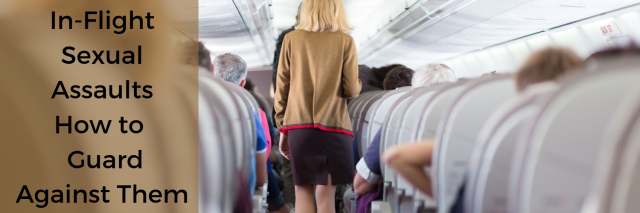
A solo female traveler has so much to think about. Here are a few good tips or at the very least some good advice to consider before you go out on your adventure.
What Solo Female Travelers Should Do Before They Go
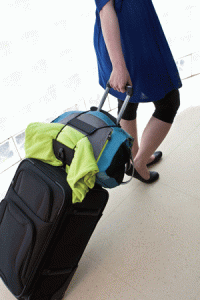
Pack so you can carry all your belongings yourself. Use wheeled luggage, and get a bag bungee to secure your tote or another smaller bag even a backpack to the wheeled bag. Combining your bags as one makes moving with them so much easier. The bag bungee device helps you keep one hand free and not at the mercy of others when it comes to managing your bags.
Bags stay together and move as one with a bag bungee, shop
When flying, pack a carry-on bag with enough clothes and toiletries that you can go a day or so without your checked luggage, should your checked luggage be delayed by the airline. Be sure you triple-tag all luggage pieces both inside and out with your contact information and destination.
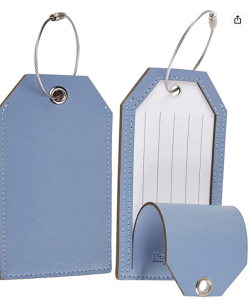
Outside bag tag should have your name no home address, and destination, plus your cell phone number.
Use a covered luggage tag that can’t be easily separated from your bag. A metal attachment loop is the best style of bag attachment. If your bag is lost it can be forwarded to you at your next destination. A cell phone number is critical too.
Inside your bag place contact information with full name and travel schedule with hotels, dates, and instructions to call a cell phone number.
Airline destination tags are put on when you check-in. Be sure the destination on the airline tag is correct. With computer-generated tags these days, it’s rare to find a mistake.
Leave a copy of your itinerary with a trusted family member or friend.
What Solo Female Travelers Should Do En Route
Pick the clothes to wear on the flight. You want something loose and comfortable, plus comfortable shoes. Given a choice, try to go with natural fibers which are safer in the case of fire than synthetics. Your chances of being in a fire are very, very, very small, but all else being equal, pick the cotton outfit over the polyester one.
Do not wear spiked high heeled shoes on the plane. Besides the fact that they are dreadfully uncomfortable, they are rough in the case of evacuating the plane with an inflated plastic evacuation slide. You are well-advised to wear flat shoes when flying.
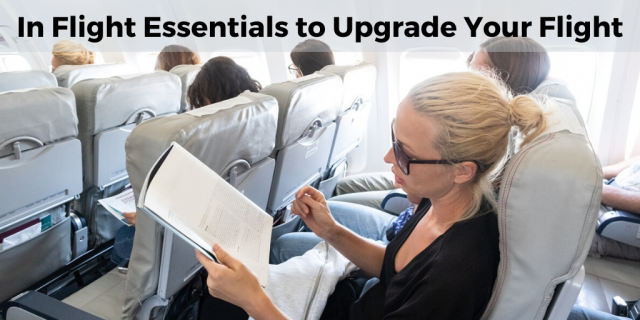
Be sure to take something interesting to read or watch on the plane (book, tablet or phone loaded with entertainment and earbuds). If an unpleasant traveler sits next to you, bury your nose in your book or movie and keep your earbuds in.
If you’re flying in coach be prepared and pack a travel pillow. An inflatable pillow takes up less room and is lighter to carry than a memory foam pillow.
Whether or not you are married, wear a wedding ring, It cuts down on unwanted attention from men. If you get into a tight spot, then you can casually mention that you are “waiting for your husband,” etc. You can find a simple gold band for not too big of an investment. If you’re married consider leaving an expensive diamond ring at home and travel with a simple gold band.
Resist posting on social media that you are gone, it makes your home vulnerable to a break-in.
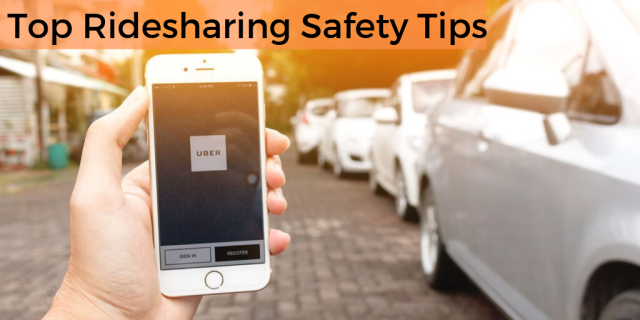
When you arrive and need a taxi, it is safer to go to the taxi queue and take the first taxi in line, rather than accepting the offer of someone who approaches you at the airport. In other words, you choose the taxi. Don’t let them choose you. Sometimes in places where there are a few taxis, that isn’t possible, but try to make the taxi your choice. Phone apps like Uber and Lyft are helpful on-demand services. They also provide the security of having each driver thoroughly background checked.
At the hotel: Don’t let the reception “announce” your room number out loud. Here you have to have some common sense. Hotel personnel are (should be) trained NOT to say “Here is your key for Room 306.” Instead, they should say “Here is your key. The number is on the key envelope.” If the room number is announced out loud, and there are other people in the lobby who might have overheard, just hand the key back and ask for another room. Be very polite, friendly, and say you are nervous about others knowing your room number. On the other hand, if the lobby is totally unoccupied, except for you and the desk clerk, no big deal.
Sign the register as “Mrs.” when you get to your room, have the bellman wait while you do a thorough room check. If you are alone, prop the door open with your luggage while you do the room check. Check anywhere else a man could hide – behind drapes, in the shower, behind the shower curtain under the bed, etc. After the room check, thank and tip the bellman, or close the room door.
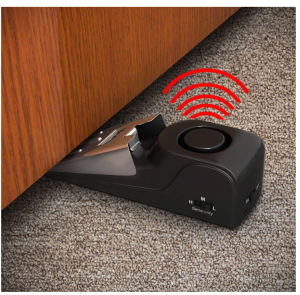
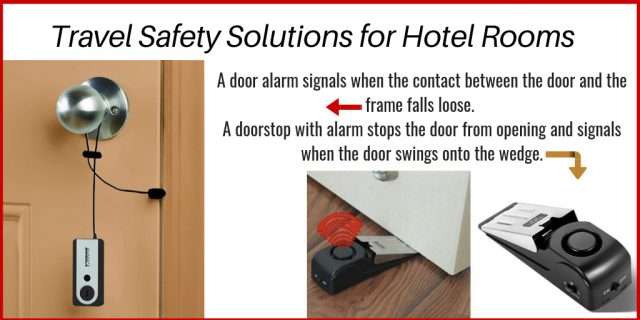
At night, use a portable door lock that prevents intruders who might have a passkey, and might have tampered with the door chain from gaining entrance. Hotels with electronic key-cards change the access code for the hotel room with each guest. Yet they too have pass keys.
If someone knocks on your door, and you didn’t order anything like room service, call the front desk to verify that a hotel employee was sent to your room. The obvious exception to this is in the late morning when the housekeeping crew is around. No intruder in his/her right mind is going to break into your room with all kinds of hotel employees in the halls.
When you get to your room, check out the emergency exit route. Figure out how you will get from your room to the stairs. Get in the habit of always putting your hotel room key on your bedside table next to your phone. That way, you always know where it is. In the case of fire, you will have the hotel room key right next to your bed. If you decide to leave the room, take the key with you. The door will probably lock behind you as you leave. If the situation is worse outside your room, you will need the key to get back in. Never stay on the 7th floor or higher as ladders of the fire department don’t reach beyond that.
Safety Tips for When Out and About
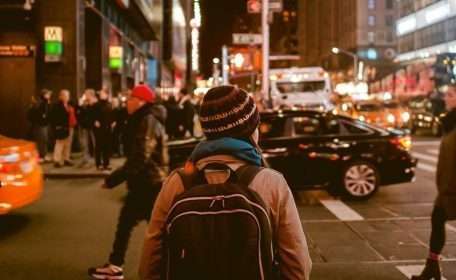
When you are out and about, walk with some purpose. If you are lost, it is better to stop and ask for directions and head in the proper direction, than to wander around hopelessly. Take a magazine or tablet to read in the restaurants. Someone said once it is difficult for a woman to dine alone without looking like she is afraid she had been stood up. True. I try to beat that by walking in with a magazine or a small book to make it look like I am there by myself on purpose.
On the other hand, don’t be afraid to get into conversations with strangers. It can be fun to meet new and interesting people. The deal is to recognize the con artist types from the genuinely friendly types. The “OK” person will engage in light conversation only and not try to get you to do anything or go anywhere. Avoid the type who wants you to leave the public area, restaurant, park, etc., and go somewhere not public for some other reason.
Do not get into a car with a stranger, take public transportation, or agree to split a cab.
It’s not wise to carry a lot of cash. ATMs are everywhere so you can replenish it. Use the normal common sense around the ATM as you would do at home. ATMs located inside banks are a safer choice than at a free-standing kiosk.
Hotels have safe deposit boxes at the front desk. If you are going to be in one place for more than just a night, you might leave your airline ticket in the safe box. International travelers should leave their airline tickets and passports in the room safe deposit box. Place both in a sealed envelope with your signature written across it, and walk around town with a photocopy of your passport for your official ID. Additionally, you should keep a copy of your tickets and passport on your phone.
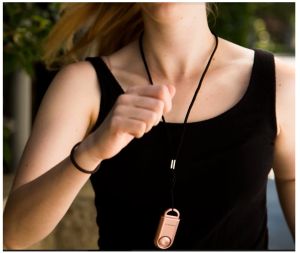
Carry a small personal alarm, it can help emergency personnel find you as well as scare aware any unsavory characters. Don’t feel silly about using it. Do you really care what people you do not know in a foreign country will think of you if you use it during a perceived threat?
As a solo female traveler, it’s smart to take a few precautions so you can relax and enjoy the sightseeing, the museums, the hiking, the scenery, the people, the restaurants, the food, the smells, the ambiance, and all the wonderful reasons you left home in the first place.
More Articles You May Like
Safety Tips for Solo Women Travelers was last modified: November 23rd, 2022 by Beth Williams