








Latest Posts
Wrinkle Resist Shirt Folder
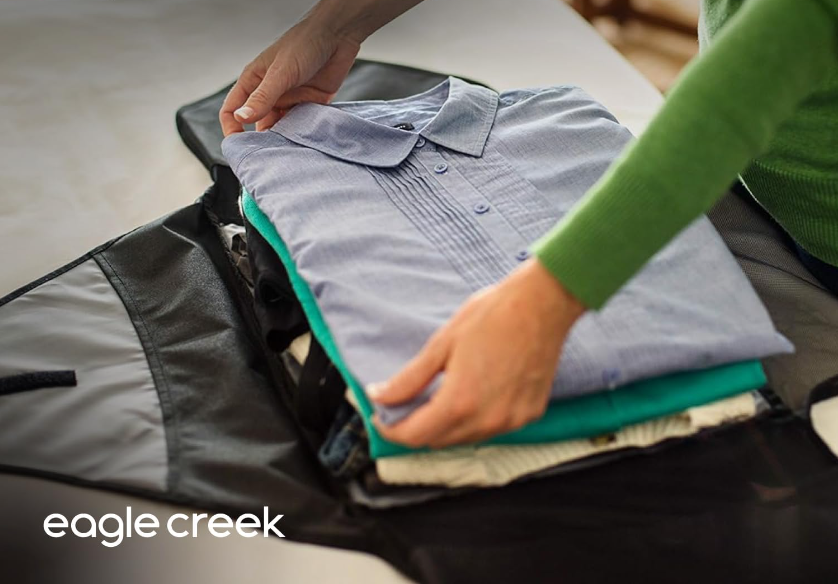
Pack a shirt without wrinkles This Travel Shirt Folder Keeps Dress and Casual Shirts from Scrunching up and Wrinkling in Your Bag A wrinkle-resistant shirt folder is a must-have travel accessory for packing shirts without wrinkles. This shirt folder can keep up to five shirts wrinkle-free in your checked or carry-on luggage. It also keeps your shirts clean and minimizes space in your bag, so...
› Read More


Which Purses Pickpockets Love To Pick

Finding a pickpocket-proof purse or pickpocket-proof bag for travel is a smart investment for keeping your valuables secure and is your first line of defense against pickpockets and street thieves both at home and while traveling. Wearing a bag crossbody style with the bag hanging in front of you and not resting on your hip or behind makes it very difficult for a thief, no...
› Read More
On-Board Theft: 10 Tips to Protect Valuables While You Snooze in the Sky

Are Your Valuables Safe In Your Carry-On Bag? With all the other worries associated with air travel, the last thing you want to think about is theft on board airplanes. The people who steal from travelers’ carry-on bags are both airline employees (usually flight attendants) and fellow travelers. Unfortunately, theft from sleeping and unknowing passengers has been going on for years – while not extremely common, it only...
› Read More
Trending Anti-Theft Crossbody Handbags for Travel

Looking for an anti-theft crossbody handbag for travel? If you’re planning on traveling finding an anti-theft crossbody handbag is a must. Today’s bags are so well designed that they are a popular choice for nontravelers for use as an everyday bag too. Anti-theft crossbody bags or purses look like regular bags or purses however, their discreet built-in security features will let you enjoy even the...
› Read More
Important Passport Security Tips
How to Keep Your Passport Safe – Tips for Travel Your passport is your key to proving citizenship and is the document that the US and other countries use to recognize you and to let you enter the country, therefore you must safeguard this critical document. Always take measures to keep your passport safe Anyone traveling abroad, especially for the first time, should take a...
› Read More
Can You Fly If Your Driver’s License or ID Card Was Lost or Stolen?

The short answer to “Can You Fly If Your Driver’s License or ID Card Was Lost or Stolen” is yes, but read on. It’s a panic moment, you’re leaving for the airport and you can’t find a government photo ID like a driver’s license, passport, or military ID. It is lost or stolen. The good news is that if you’re 18 years of age or...
› Read More
